
Replacement Of Missing Teeth
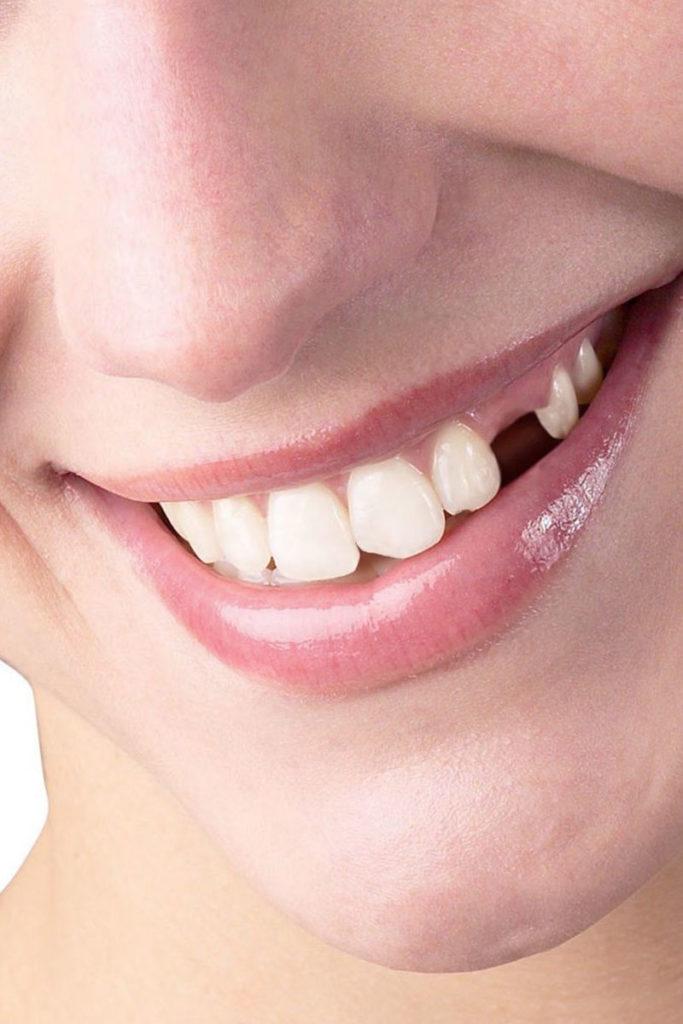
Tooth Replacement for missing and broken teeth:
Implant Dentistry
The primary approach for the replacement of missing teeth is dental implants. The root of the tooth is replaced with a metal post, and a synthetic tooth that feels and looks natural is used to fill the gap.
Due to the implant’s need to merge with the jawbone, the process requires some time. The end effect is a natural-looking, pleasant smile. You’ll be able to behave naturally around them by eating, speaking, and grinning.
Dentures
Dentures for missing teeth are a fantastic and long-lasting solution. Losing a tooth can be, put it mildly, disturbing. Most frequently, a physical accident, dental decay, or disease can cause it.
Dental bridges & crowns
For teeth restored with dental implants or teeth that are partially missing, dental crowns are an option. They are tooth-shaped caps that come in various materials and are used to cover an implant or existing partial tooth. Dental bridges with crowns serve to span the space between healthy teeth when a tooth is completely gone.
Bonding
Bonding is a long-term solution for the replacement of missing teeth, although it is not a permanent one. Typically, depending on how intensive the operation is, it can last up to 10 years. Dental bonding just needs one visit to finish and will last for many years. Bonding can help restore broken, chipped, cracked teeth, completing your smile.
Porcelain Veneers
Applying porcelain veneers is another option for teeth that are just partially gone. Thin porcelain shells called veneers are attached to the front of teeth. Porcelain veneers are made to complement or enhance your current smile.
Frequently Asked Questions (FAQs)
There are several treatment options available depending on the number of missing teeth and oral condition:
- Dental Implants– Artificial tooth roots placed in the jawbone to support crowns.
- Dental Bridges– Fixed replacement supported by adjacent natural teeth.
- Partial Dentures– Removable appliances replacing a few missing teeth.
- Complete Dentures– Used when all teeth are missing.
Your dentist will recommend the most suitable option after evaluation.
Leaving a gap can cause nearby teeth to shift, leading to bite problems, difficulty chewing, and jaw pain. It may also result in bone loss in the jaw and changes in facial appearance. Replacing missing teeth helps maintain oral health, proper function, and confidence in your smile.
Dental implants are often considered the most durable and natural-looking option because they function like real teeth and help preserve jawbone. However, bridges and dentures are also effective solutions, especially in cases where implants are not suitable due to medical or financial reasons.
Most procedures are performed under local anesthesia, making them comfortable. Some mild discomfort or swelling may occur afterward, especially with implants, but it is usually temporary and manageable with medication.
- Dental Implants:15–25 years or more with proper care
- Dental Bridges:7–15 years
- Dentures:5–10 years
Regular dental visits and good oral hygiene can significantly extend the lifespan of your replacement teeth.